
The Digital Backbone of Modern Business: What Keeps the World Connected?
Every time someone opens a website, makes an online payment, joins a video meeting, streams a movie, or uses an AI-powered application, a complex technology ecosystem is working behind the scenes.
Most people see only the application or website on their screen. But behind every digital experience are servers, networks, cloud platforms, databases, cybersecurity systems, and data centers working together.
This invisible technology infrastructure has become the backbone of the modern world.
From small startups to multinational corporations, businesses increasingly depend on reliable digital infrastructure to operate, communicate, serve customers, and grow.
But what actually keeps the digital world running?
1. Servers: The Foundation of Digital Services
A server is a computer designed to provide resources, applications, data, or services to other computers over a network.
Whenever you visit a website, access an application, or retrieve information from an online platform, servers help process and deliver that request.
Servers power many everyday digital services, including:
- Websites and web applications
- Business software and databases
- Email and communication platforms
- E-commerce stores
- Cloud-based applications
- Artificial intelligence systems
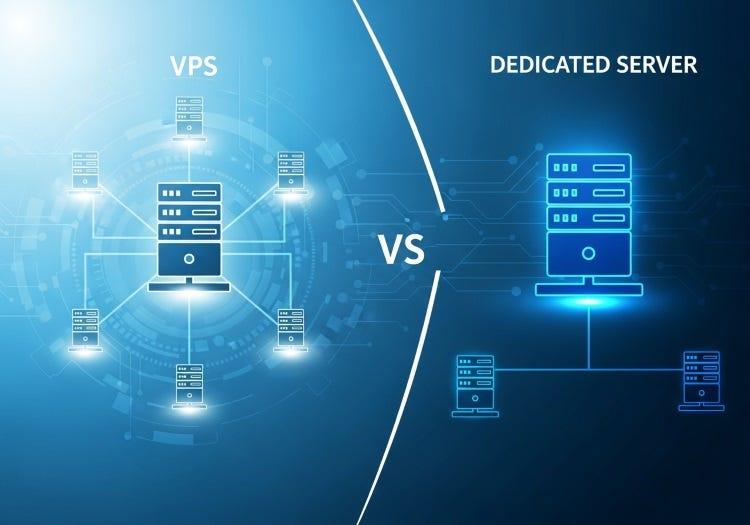
As businesses grow, their server requirements also change. They may need virtual servers, dedicated hardware, GPU computing resources, or a managed hosting environment.
Choosing the right infrastructure is an important part of building a reliable digital business.
2. Cloud Computing: Making Technology More Flexible
Traditional IT infrastructure often required businesses to purchase, install, and maintain physical hardware.
Cloud computing introduced a more flexible approach by allowing organizations to access computing resources over a network.
Businesses can use cloud infrastructure for:
- Hosting applications and websites
- Running business-critical workloads
- Storing and processing data
- Development and testing environments
- Remote working infrastructure
- Scalable computing requirements
Cloud technology allows organizations to select resources based on their workloads and business needs.
However, cloud adoption is not simply about moving everything online. Businesses must also consider security, performance, cost management, availability, and operational support.
3. Data Centers: Where the Digital World Lives
Behind cloud platforms, websites, applications, and online services are physical data centers.
A data center is a specialized facility that houses servers, networking equipment, storage systems, power infrastructure, and cooling systems.
These facilities are designed to support continuous technology operations.
Important components include:
- Enterprise-grade server hardware
- Network connectivity
- Power backup systems
- Cooling and environmental controls
- Physical security
- Monitoring and operational management
The reliability of digital services depends partly on the quality of the underlying infrastructure and how effectively it is maintained.
4. Cybersecurity: Protecting the Digital Business
As organizations become more dependent on technology, cybersecurity becomes increasingly important.
Businesses face threats such as ransomware, phishing, unauthorized access, malware, data theft, and infrastructure vulnerabilities.
A strong security approach should include multiple layers of protection:
- Firewall and network security
- Secure authentication and access controls
- Regular operating system updates
- Vulnerability assessments
- Endpoint protection
- Security monitoring
- Data protection policies
Cybersecurity is not a one-time implementation. It requires continuous attention, monitoring, and improvement.
Every organization, regardless of size, should treat security as an essential part of its technology strategy.
5. Backup and Disaster Recovery: Preparing for the Unexpected
Technology failures can happen even in well-managed environments.
Hardware failures, accidental deletion, cyberattacks, software issues, and unexpected outages can interrupt business operations.
This is why backup and disaster recovery planning is essential.
A reliable data protection strategy should consider:
Regular Backups: Maintain scheduled copies of important business data and systems.
Offsite or Isolated Copies: Keep additional copies separate from the primary environment to reduce the impact of certain incidents.
Recovery Testing: Test backups regularly to verify that data can actually be restored.
Recovery Objectives: Define how much data loss and downtime the business can tolerate.
A backup is only useful when it can be successfully restored when needed.
6. Artificial Intelligence Is Changing Infrastructure Requirements
Artificial intelligence is transforming how businesses develop products, automate processes, analyze information, and interact with customers.
Behind many AI applications are powerful computing resources, including GPUs, high-performance storage, and specialized software environments.
AI infrastructure supports workloads such as:
- Machine learning model training
- Large Language Model applications
- Image and video processing
- Predictive analytics
- AI-powered automation
- Research and development
As AI adoption increases, organizations must evaluate their computing requirements carefully.
The right GPU configuration, available memory, storage performance, software compatibility, and network connectivity all influence workload performance.
7. Managed IT Infrastructure: Keeping Technology Running
Building an IT environment is only the beginning. Maintaining it is an ongoing responsibility.
Organizations need to manage servers, operating systems, virtualization platforms, backups, security, performance, and infrastructure changes.
Managed IT infrastructure services can help businesses with:
- Server administration
- Windows and Linux environments
- Virtualization platforms
- Cloud infrastructure management
- Backup and recovery operations
- Infrastructure monitoring
- Migration and implementation projects
The objective is to maintain a stable, secure, and efficient technology environment so businesses can focus on their core operations.
8. The Future of Digital Infrastructure
The digital world continues to evolve.
Emerging technologies such as artificial intelligence, edge computing, automation, hybrid cloud, and high-performance computing are changing how infrastructure is designed and operated.
Businesses will increasingly need infrastructure that is:
- Scalable as demand changes
- Secure against evolving threats
- Resilient against unexpected failures
- Efficient in terms of cost and performance
- Flexible enough to support new technologies
Organizations that build a strong technology foundation today will be better prepared for tomorrow's digital opportunities.
Building a Stronger Digital Future with InfraVault Technologies
Reliable technology infrastructure is more than servers and software. It is the foundation that helps businesses operate, innovate, protect their data, and serve customers.
At InfraVault Technologies, we believe that dependable infrastructure, effective management, and the right technology solutions play an important role in digital growth.
We work across hosting and infrastructure-related areas, including virtual and dedicated servers, cloud environments, GPU computing, managed infrastructure, virtualization, backup, disaster recovery, and migration solutions.
Our objective is to help businesses explore practical infrastructure solutions aligned with their technical requirements.
Whether you are developing a new digital product, managing an existing IT environment, or planning your next infrastructure project, building on the right technology foundation matters.
Explore more at: https://infravaulttech.com/
InfraVault Technologies – Build A Stronger Digital Tomorrow.